
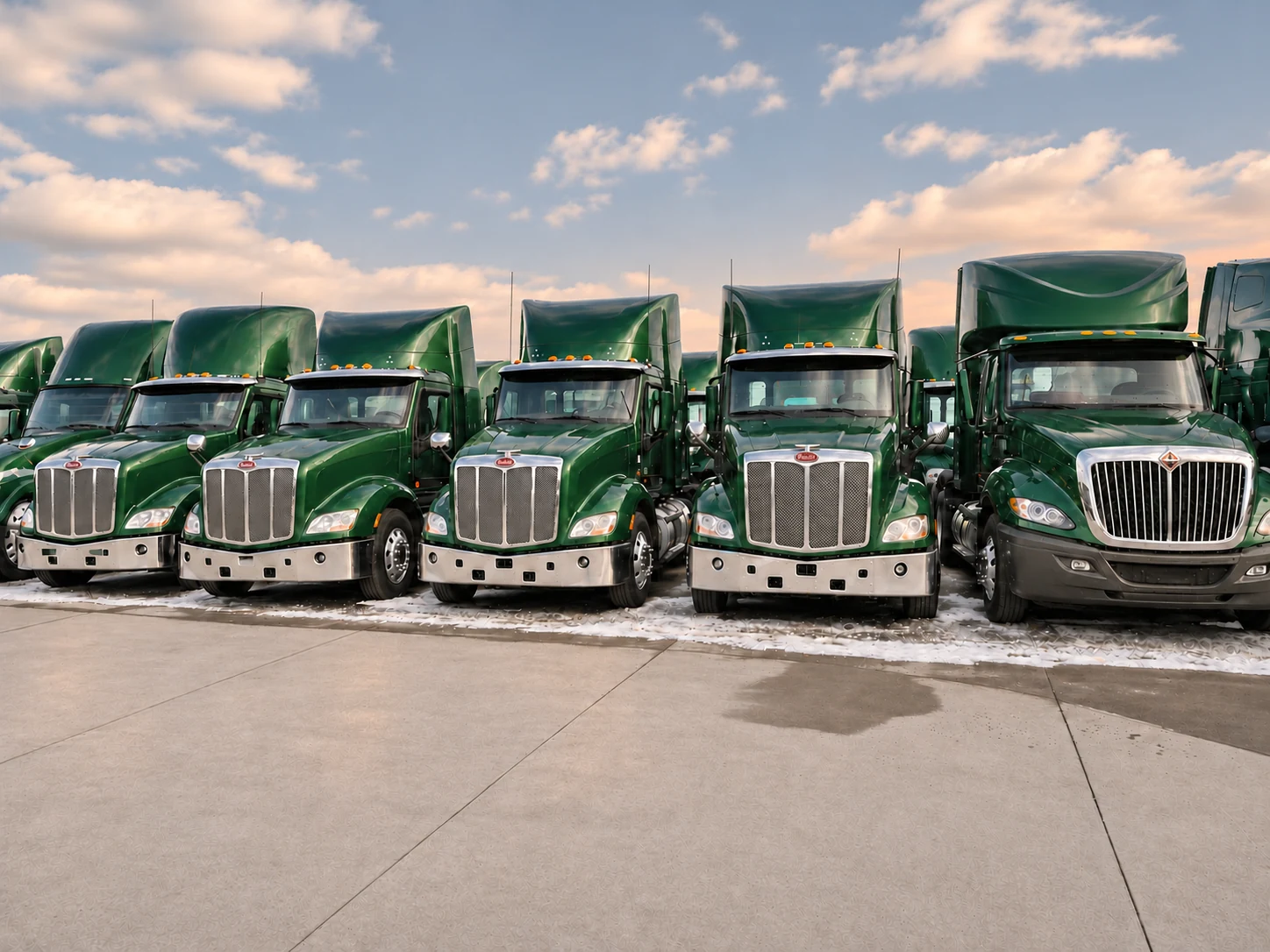
Describe the assets and the site separately
An asset description explains what is being sold. A collection brief explains how it can leave. Prepare both, and tell the dealership where the equipment is physically located so the proposed sale and inspection process can be reviewed for that location.
Asset information
Provide identifiers, photographs, available ownership records and known condition. State whether the asset has been operated recently and flag anything that could affect collection.
Site information
Identify the city and state, release contact, appointment requirements, available access and operating hours. Share precise access instructions with the approved parties when needed.
Set the inspection process
Decide who can attend, what can be inspected and who may operate the asset. Coordinate with the dealership and your site's responsible staff. A visit should follow an agreed process rather than an open invitation for unknown buyers to arrive.
Explain the boundaries
Confirm supervision, appointment length and permitted activities. Identify any site induction, insurance documentation or other access requirements before the visitor travels.
Record new findings
If an inspection reveals an issue or a specification differs from the list, update the transaction record and resolve the effect on the proposal.
Scope collection before agreeing the schedule
Do not assume that a transport provider will supply every resource needed to load the asset. Discuss the actual condition, dimensions, access and handling needs with the responsible providers, then put the agreed responsibilities in the proposal.
Assign the work
Identify who arranges and pays for transport, loading assistance and any preparation. Confirm the party responsible for delays, storage or a failed collection attempt.
Protect the operating schedule
Set a release window that works for the facility. If the asset remains in service, identify who must approve its final removal from operations.
Release against the agreed transaction
Agree on the payment and document conditions with the dealership before collection. The site team should have a named approval contact and a written list of units authorized for release. A vehicle arriving at the gate is not, by itself, confirmation that those conditions are satisfied.
Check the collection instruction
Match the arriving party and asset identifiers to the approved instructions. Refer substitutions, extra units or changed destinations to the transaction contact.
Close the record
Record the collection time, receiving party, units and accompanying items. Keep the release record with the agreement and final transaction documents.