
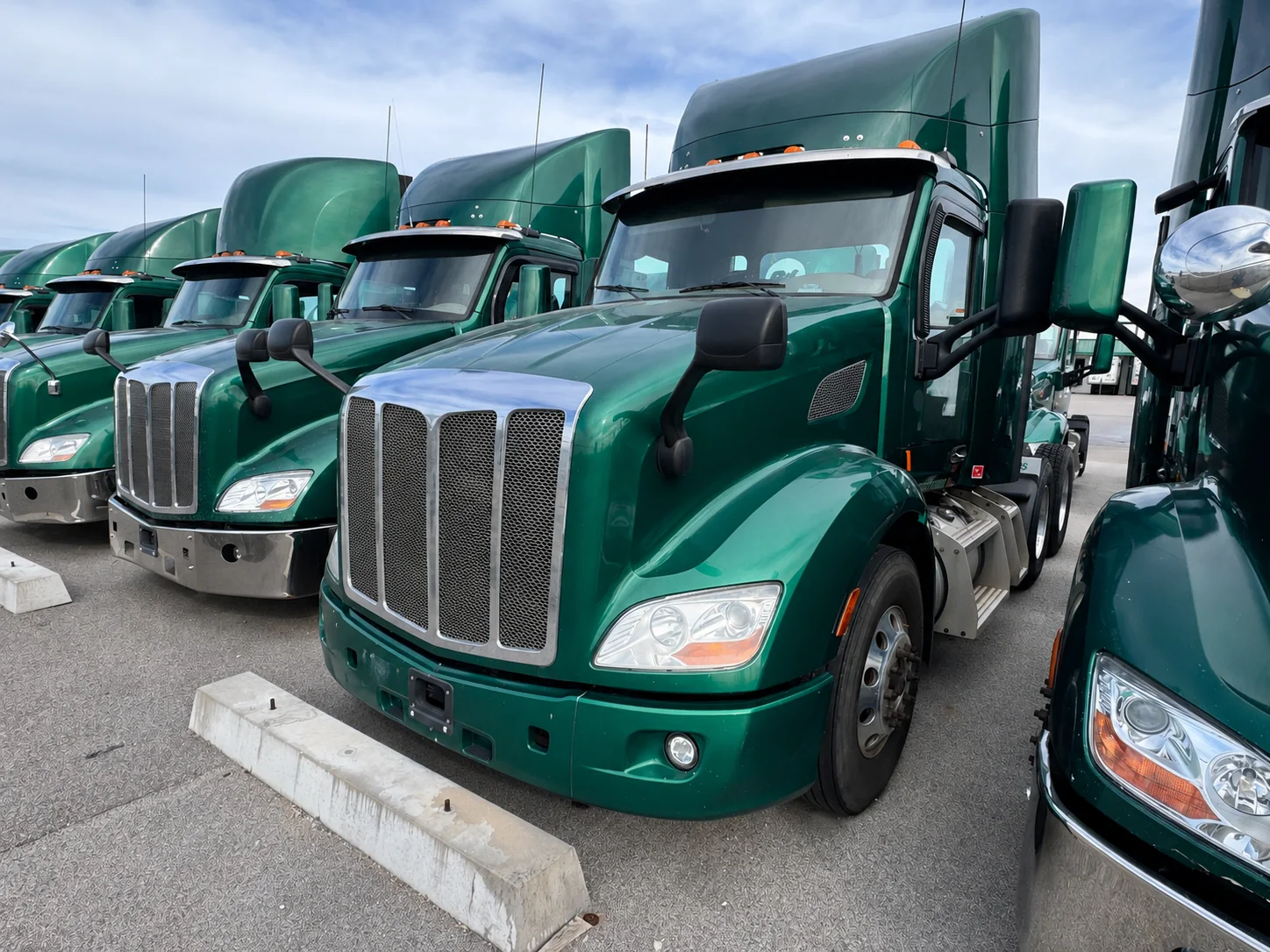
Start with a shared asset list.
A useful list connects each item to its category, owner, location and release status. It lets your fleet, finance and site contacts work from the same scope, even when different teams hold the records or control access.
Assets and specifications
Assign a unique ID to each vehicle or machine. Include year, make, model, mileage or hours, configuration and known condition.
Owners and records
Identify the owning entity and available ownership documents. Flag leased, financed, third-party or excluded equipment for separate clarification.
Sites and availability
Group assets by location, provide the responsible contact and record when each item can leave. Note dependencies on replacement equipment.
Choose a route for the group without losing unit detail.
Some groups suit a defined direct purchase. Others require selected purchases or a managed sale for particular categories. We discuss those options after reviewing the list, condition and timing, and identify what each proposed arrangement covers.
The overall plan should preserve the terms for each asset group: who purchases or markets it, the agreed conditions and expenses, and the requirements for settlement and release. Listing everything together does not mean every unit must follow an identical path.
Sequence inspections and pickups by location.
Your team does not need to consolidate equipment into a single yard merely to begin review. We coordinate site contacts, inspection needs and release windows at the existing locations. The pickup plan should identify included attachments, loading responsibilities and any readiness issues before transportation is arranged.