
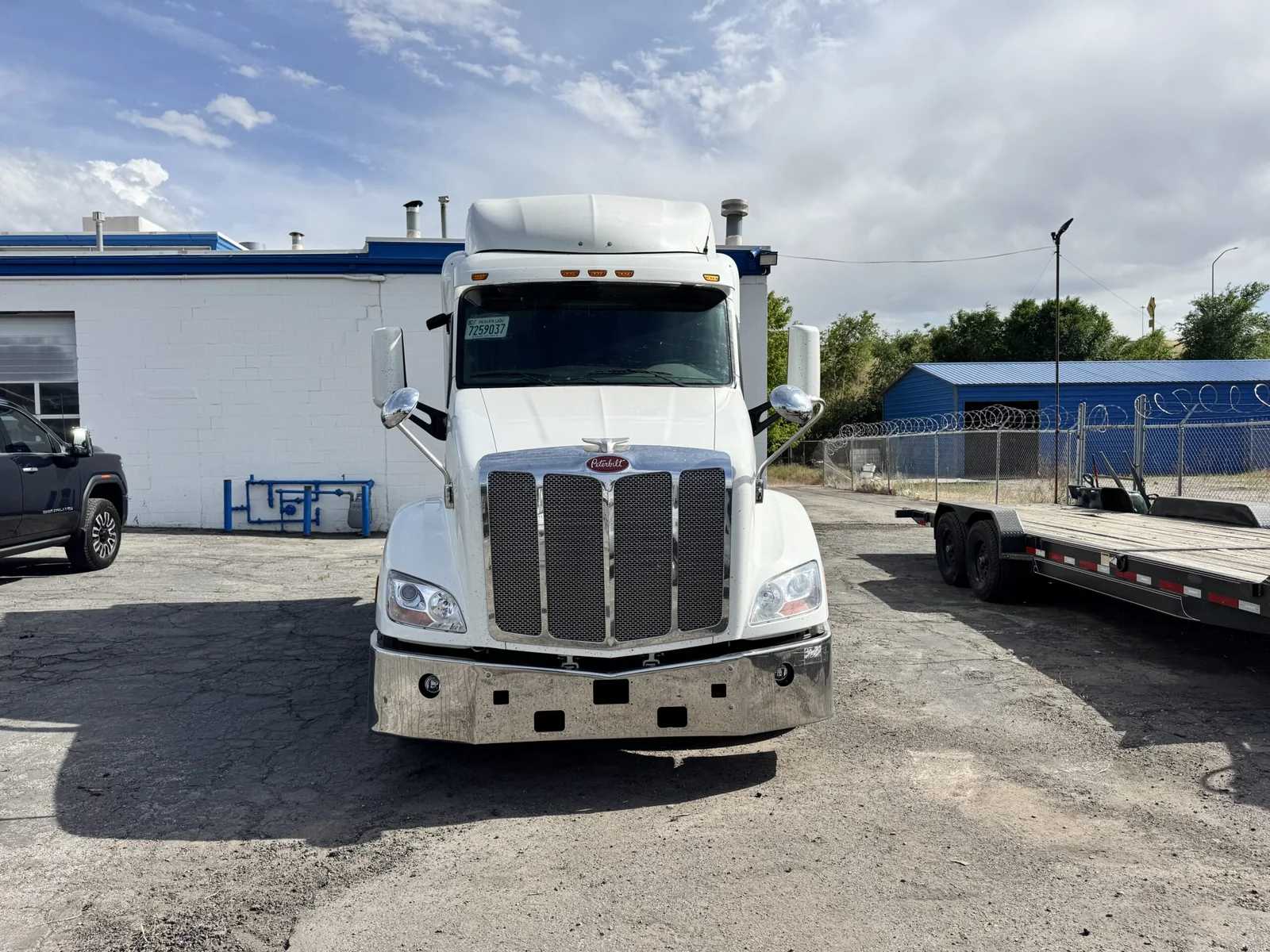
Give each tractor a usable record.
A list of truck counts and model years starts the discussion, but unit-level details make the review useful. Keep the asset ID or VIN attached to photographs and service information so similar trucks do not become interchangeable in the paperwork.
Powertrain and chassis
Include engine, transmission, axle configuration, wheelbase and mileage. Note sleeper configuration or other specifications that distinguish units in the group.
Condition and records
Describe known engine, transmission or aftertreatment issues, warning lights, damage and recent repairs. Share available maintenance history without assuming it replaces an inspection.
Release status
Identify trucks already parked, those still dispatched and the dates each can leave. Flag title or financing matters that need resolution.
Review the group and the individual differences.
A fleet purchase may cover a defined group of tractors, while particular units require separate review. We discuss direct-purchase and managed-sale options according to the assets and your timing. Written terms should identify covered trucks, conditions, costs and the transaction responsibilities.
Similar paint and model years do not establish identical specifications or condition. Keeping exceptions visible helps avoid disagreements when inspections or pickup occur.
Coordinate removal from the current locations.
You do not need to move tractors merely to begin review. We discuss inspections at their locations and plan the agreed release windows with your dispatch or yard contacts. Running condition, access and any loading or transport requirements need to be known before pickup is arranged.