
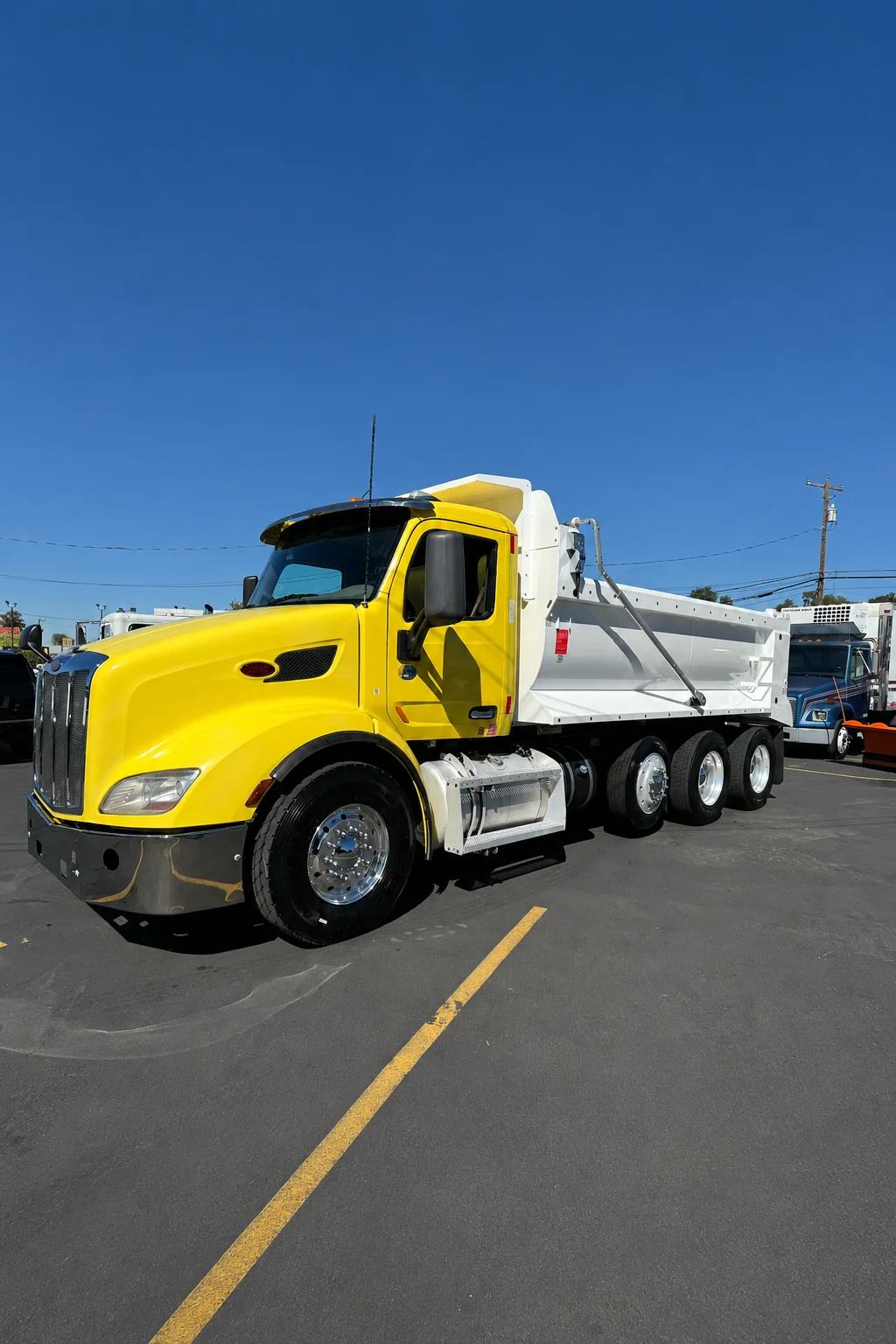
Describe the complete working vehicle.
We review complete work trucks and cab-and-chassis units. Identify the chassis, then describe the body and installed equipment. Keep removable tools, contents and separately owned equipment distinct from the assets you intend to sell.
Chassis details
Provide year, make, model, mileage, engine, transmission and the rated weight information shown in your records or on the vehicle.
Body and equipment
Include body type and dimensions, liftgate or crane details, refrigeration equipment, PTO functions and relevant model or serial numbers.
Operating condition
Note known faults, damage, missing components and equipment that has not been tested recently. Include available service or inspection records.
Work truck types we review.
Mechanics & Service Trucks
Service bodies, mechanics trucks, utility bodies and mobile support vehicles. Identify cranes, compressors, welders and other equipment included in the sale.
Bucket Trucks
Truck-mounted aerial equipment used by utility, telecom, tree-care and other service fleets. Include chassis details and aerial-device identification.
Drills & Diggers
Digger derrick trucks, pressure diggers and auger drill trucks. Describe the installed machine and intended application; these are distinct equipment types within the wider group.
Crane & Boom Trucks
Truck-mounted cranes and boom trucks, with the lifting equipment, outriggers, attachments and available records identified.
Vacuum & Hydro Excavation Trucks
Vacuum trucks, hydro excavators and related units. Include tank, pump and installed-equipment details and known operating condition.
Reel & Cable-Placing Trucks
Reel trucks, cable-placement vehicles and related utility support trucks. List the reel-handling and cable equipment actually included.
Dump Trucks, Flatbeds & Delivery Trucks
Dump bodies, flatbeds, box trucks, refrigerated trucks and commercial vans, with body-specific details recorded by unit.
Cab & Chassis
Chassis offered without a complete working body. State what has been removed and what remains with the vehicle.
Make the sale scope specific.
We discuss a direct purchase or managed sale after reviewing the vehicles and their availability. A proposal should distinguish the truck from any tools, contents or separately owned equipment that will remain with your business.
For a group of similar vehicles, identify body and equipment differences by asset ID. Tell us which units are parked and which must continue working until replacement vehicles are ready.
Prepare a practical release plan.
Inspection and pickup planning can begin from the current location. We coordinate with the site contact on access, release windows and transportation requirements. Before handoff, confirm responsibility for removing company materials, personal property, branding and any equipment excluded from the sale. Document what remains with each vehicle.